Sergio Munoz, Jr.
Branch: Texas House District: 36 Status: incumbent
Additional Information from ATPE
First elected to the Texas House in 2010. Current term expires January 2027. Running for re-election; ran unopposed in the Democratic primary for Texas House District 36 and will be on the November 2026 general election ballot.
Member of the House Appropriations and Insurance committees.
In the 2018 election, he was recommended favorably by Texans for Public Education, a grassroots educators' group that researched and rated candidates in the 2018 election based on their stances toward public schools.
Voting records currently not available. Please check back later.
Survey Responses
HAS NOT RESPONDED TO THE 2026 ATPE CANDIDATE SURVEY.
Did not respond to the 2024, 2020, or 2018 ATPE Candidate Survey.
Not applicable for 2022; the candidate was unopposed.
Below are the candidate's responses to our 2016 survey:
1. Is there a need to increase funding in order to meet the needs of our growing student population and ensure that students have access to high-quality teachers? If so, how would you recommend securing more revenue for public education?
Yes, there is always something that can be done to improve the current state of our education system. As a member of the Appropriations Committee, I would highlight the various benefits that investing in our student's produces in the long run and how it contributes to our community's overall prosperity. By stressing the importance of both, access to education, and teachers who inspire our children to learn and become independent thinkers, I am confident that my fellow colleagues will agree that securing a better future for our State will undoubtedly mean investing more funds in public education.
2. On what types of programs or specific areas of need would you prioritize the spending of state funds for public education?
I would choose to prioritize funding for expanding access to full day Pre-K so that more children can begin learning at an early age. One of the first bills I filed during the 84th legislative session was a bill intended to expand access to full day Pre-K so that more children can benefit from the program. I firmly believe that beginning a solid education at a young age cultivates a strong intellect and desire to learn that continues well into adulthood.
3. Would you vote to create a voucher, tax credit, grant, scholarship program, or any other type of incentive that would help cover the cost for students to attend non-public schools in grades K-12? Why or why not?
Yes I would vote for that, however, not at the expense of our public schools and with the understanding that the same standards and requirements would be met. I think students should have the opportunity to attend the school of their choice as long as those educations institutions meet the rigor and standards of our public schools. Our children should know that if they truly work hard, there are always ways to attain their dreams. The lack of resources should never be a factor that prohibits our children from attending the school of their choice.
4. Would you vote to maintain a hard cap on the number of students per class, or should school administrators be given more flexibility to increase class sizes? (Currently, the law imposes a cap of 22:1 in grades K-4 but allows schools to obtain a waiver, a step a number of them routinely take.)
I would vote to maintain a hard cap on classroom sizes. I would also look at minimizing the number of waivers that can be granted so districts are not circumventing the intent of the ratio cap.
5. What do you feel is the proper role of standardized testing in Texas's public education system? For instance, should tests be used for school accountability purposes, for evaluating teachers, for measuring the progress of students, etc.?
While I understand the importance of measuring the progress of our students, schools, and teachers, I oppose a system that focuses primarily on measuring progress or accountability with standardized exams. I think our education structure places too much emphasis on measuring progress with numerical scales that we neglect that the true purpose of an education is to develop well-rounded individuals. Teachers need more flexibility to teach in the classroom and prepare our students for life, and not just an exam.
6. Local decisions on teacher pay and whether to continue a teacher's employment are often based on evaluations. To what extent, if any, should a teacher's evaluation be based on his students' scores on state standardized tests? If you believe student test scores should factor into a teacher's evaluation, how would you recommend evaluating teachers in grades or subjects for which there are no state standardized tests?
While I believe in the significance of standardized testing, I believe that evaluating teachers based primarily on their students' test scores, places too much emphasis on standardized exams. Determining a teacher's pay and continuing employment should be based on other factors as well. When using test scores, local factors and district specific issues should also be used. For example, economic and language barrier issues should be factored. As for teachers in grades or subjects with no standardized testing, I think our local school administration should develop accountability based on course completion and readiness.
7. Do you believe that the state should maintain a floor for classroom teacher salaries that includes annual increases based on experience over the first 20 years of a teacher's career?
Yes, I believe that teachers, especially those with careers who span numerous years, should have annual increases. Teachers who have shown their dedication for their profession should be rewarded for their hard work.
8. If a public school in your district failed to meet state accountability standards, what course of action would you recommend? Are there circumstances in which you would support allowing a private entity to take over the management of that school (for instance, by converting it to a charter school, placing it under a special statewide district for low-performing schools, replacing the elected school board, or hiring an outside entity to operate the school)?
If a public school in the district failed to meet state accountability standards, I would recommend that the decisions for reform remain with the current administrators. The primary goal is to do what is necessary to keep the public school open and serving the students. I would recommend a partnership with the state to do all that we can to set it on the right track to be successful. School administrators are most in tune with the needs of their students and possess the best knowledge to properly address the problem. Schools that are public should remain so and our work is to make sure they are successful.
9. The cost of health insurance for active educators has dramatically increased over the last decade, while the portion paid by the state has remained flat and significantly lagged behind that of private employers. How would you address the increasing cost of covering the education workforce's health insurance needs?
I believe several solutions are necessary to resolve the issue of covering health insurance for our active educators. First, the state needs to increase their contribution to our educator's healthcare and adjust it for inflation and cost of living. Secondly, the state needs to look at the insurance market as a whole in order to keep costs and services in line with the best interests of the consumer in mind. I am more than willing to research the issue and work with stakeholders to determine options and create improvements to ensure that our educators have access to appropriate health care.
10. Do you believe the Teacher Retirement System (TRS) should be maintained as a traditional defined benefit pension plan for all future, current, and retired educators, or would you vote to convert TRS to a defined contribution plan that is more like a 401(k), in which future benefits are not guaranteed? Why?
I believe that we need to maintain our current TRS benefit pension plan. Any improvements to the Teacher Retirement System should be made to adequately supply recipients with their well-earned benefits, and, that these funds should be guaranteed by the State.
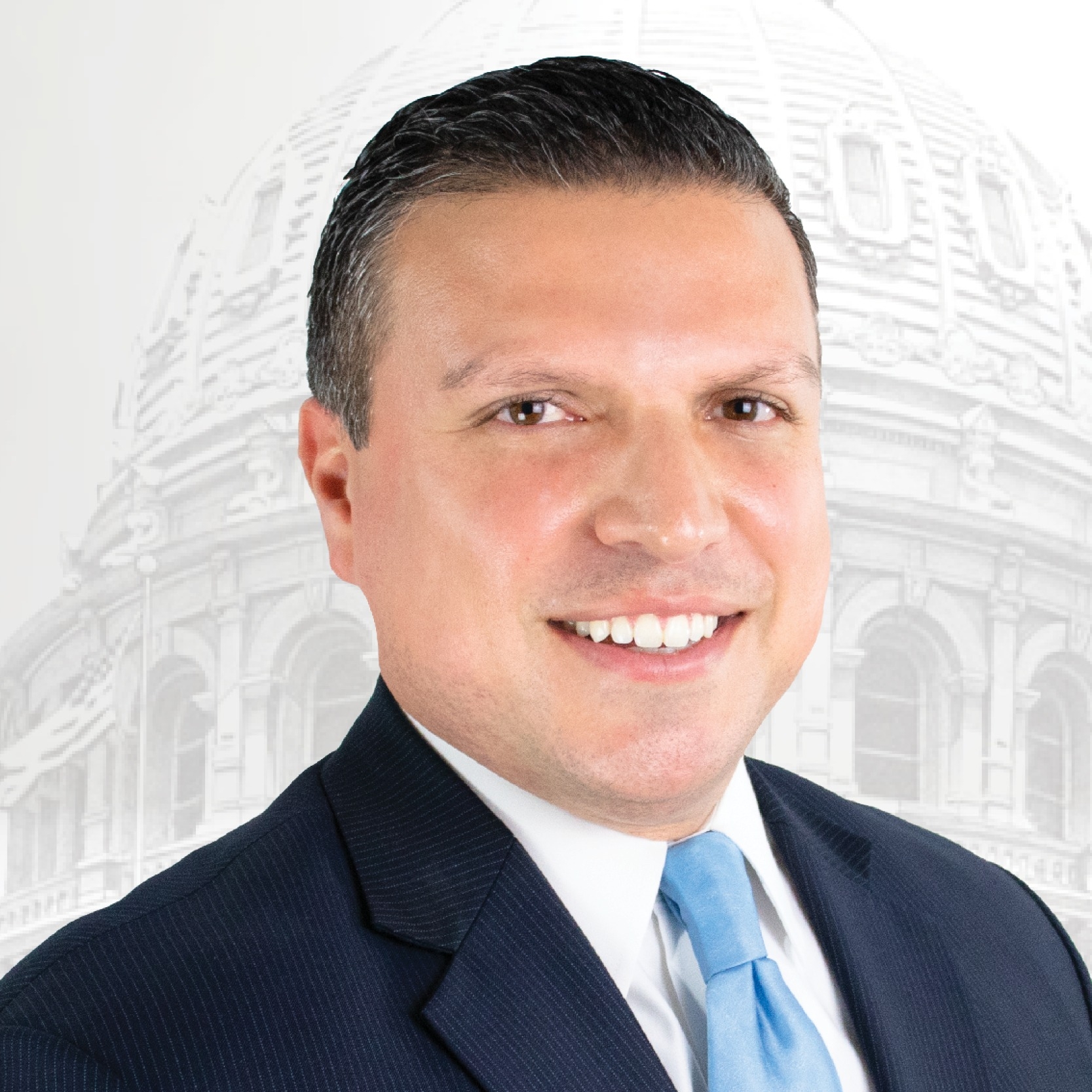
Sergio Munoz, Jr.
-
Party:
Democrat
-
Status:
incumbent
-
Branch:
Texas House
-
District:
36
-
Address:
1110 S. Closner
City:Edinburg
State:TX
- Website:
-
Phone:
(956) 381-5555
- Email: