Roland Gutierrez
Branch: Texas Senate District: 19
Additional Information from ATPE
First elected to the Texas Senate in 2020. Current term expires January 2027. Running for re-election in the 2026 Democratic primary.
Gutierrez ran unsuccessfully for a U.S. Senate seat in 2024.
Previously served as a state representative for Texas House District 119 from 2008 to 2020.
Supported by one or more pro-public education organizations in the 2024 Texas primaries.
Endorsed in the 2020 general election by Texas Parent PAC, a pro-public education organization that advocates for adequate and equitable funding of public schools, local control, teacher quality, and the prevention of private school vouchers.
Endorsed by the editorial board of the San Antonio Express-News in the 2020 general election.
Gutierrez previously ran unsuccessfully in a 2018 special election for the Senate District 19 seat.
In 2018, Gutierrez was recommended favorably by Texans for Public Education, a grassroots educators' group that researched and rated candidates in the 2018 election based on their stances toward public schools.
Voting records currently not available. Please check back later.
Survey Responses
HAS NOT RESPONDED TO THE 2026 ATPE CANDIDATE SURVEY.
Did not respond to the 2022 ATPE Candidate Survey.
BELOW ARE THE CANDIDATE'S RESPONSES TO THE 2020 ATPE CANDIDATE SURVEY:
1. If elected, what will be your top priorities for public education?
We are preparing for a budget shortfall next session, my top priority will be to make sure we have the proper funding to sustain HB3 we just passed last session. I have a plan to create new revenue so we keep the promise we made by putting more money into public education. My other top priority is ensuring safety for our teachers, school personnel and students as schools start to reopen. Evaluate all options and choose what works best in the interest of the ones who have to deal with the situation in our schools.
2. What are your recommendations for funding public education, including securing the necessary revenue to sustain the improvements made by House Bill 3 in 2019? Do you believe additional funding is needed?
Yes, additional funding is needed. I have crafted a comprehensive cannabis legalization bill and plan to propose it next session. I will produce new revenue that will be exclusively towards public education. We need to find revenue that doesn't mean raising property taxes or an increased sales tax.
3. How would you address the challenge of rising healthcare costs facing Texas educators and ensure that active and retired educators have access to affordable healthcare?
I have been a proponent of more access to healthcare. Healthcare cost is a problem. The state can immediately help by either raising wages or contributing more to share the healthcare premium cost.
4. Do you believe the Teacher Retirement System (TRS) should be maintained as a traditional defined benefit pension plan for all future, current, and retired educators, or do you support converting TRS to a defined contribution plan that is more like a 401(k) plan, in which future benefits are not guaranteed?
Every teacher should be guaranteed the benefits they deserve. It should be maintained as a traditional defined benefit pension.
5. What do you feel is the proper role of standardized testing in Texas's public education system? For instance, should student test scores be used for school accountability purposes, for evaluating teachers, for measuring student progress, etc.?
I am not an advocate for high stakes testing of our children especially when they carry so many accountability purposes. Teachers and students should not be teaching and learning for a test. We should have student progress measurements but the system of high stakes testing we have now isn't the right procedure.
6. To what extent should student performance determine teacher pay?
I don't believe that all districts, schools, classrooms and students are equal, Texas has a real equity problem when it comes to education. Student performance to determine teacher pay might be unfair to teachers across the board.
7. Would you vote to create any type of voucher, tax credit, scholarship, education savings account, or other program aimed at paying for students, including any subpopulation of students, to attend non-public K-12 schools, such as private or home schools?
Absolutely not. I have against all of those types of programs that aim to take money away from our public schools.
8. State law allows educators and other public employees to voluntarily choose to join professional associations such as ATPE and have membership dues deducted from their paychecks at no cost to taxpayers. Do you support or oppose letting all public employees continue to exercise this right?
I support that right as I do with all unions.
9. What role, if any, should charter schools have in the public education system, and do you feel the number of charter schools operating in Texas should be reduced or expanded?
I am strongly against charter schools. I have voted against charter school legislation every time. They have no role in the public education system and especially using public funds. I feel the number of charter schools needs to be reduced.
10. Recent legislation has made it possible for school districts to exempt themselves from many state laws (e.g., class-size limits, requirements for hiring certified teachers, minimum salary schedules, school calendar restrictions, etc.) by partnering with outside entities, allowing campuses to be managed by a charter school operator, or becoming part of a District of Innovation, for example. Do you agree with this type of deregulation of public schools, and how should such non-traditional schools be governed?
I am not in favor of deregulation of public schools. We need to be regulating more our charter schools.
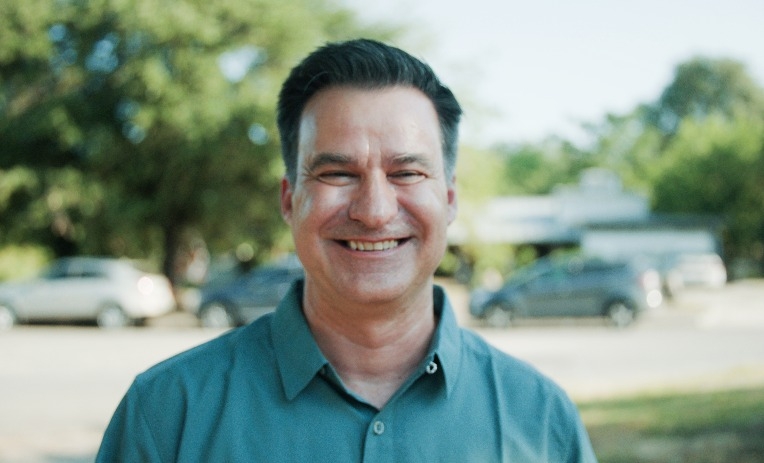
Roland Gutierrez
-
Party:
Democrat
-
Branch:
Texas Senate
-
District:
19
-
Address:
PO BOX 15232
City:SAN ANTONIO
State:TX
- Website:
-
Phone:
(210) 693-0650
- Email: